Being diagnosed with prostate cancer can often lead to confusion over the many treatment options available. Even as a urologist myself, I once struggled to provide clear answers.
The conclusion I’ve reached is: “There is no definitive answer!”
I can already hear some people saying, “But aren’t you a specialist? How can you not have an answer?”
Doctors who have honed their surgical skills and have seen good outcomes (fewer complications and high cancer cure rates) will likely advocate for surgery. On the other hand, those who have similar experience with radiation therapy are more inclined to recommend that approach.
If a doctor has encountered numerous complications related to surgery (such as urinary incontinence and erectile dysfunction), they might hesitate to recommend it. Similarly, those who have treated many radiation-related complications (like radiation cystitis, urethritis, or urinary incontinence) may not advocate for radiation therapy.
It’s a bit like asking, “Which is better, Japanese or Western cuisine?” Japanese cuisine is healthy and uses dashi broth, while Western cuisine is often vibrant and calorie-rich. But, of course, the chef’s skill also comes into play. So, do we choose the most popular restaurant? The answer may vary depending on the individual’s situation.
I know this response may seem a bit indecisive. However, it’s important to remember that there are options available in case complications do occur.
Properly Addressing Complications!
For post-prostatectomy incontinence (PPI), options include pelvic floor muscle training, medication, magnetic stimulation therapy, laser treatment, regenerative medicine (PRP, adipose-derived stem cells), artificial urinary sphincters, and incontinence aids.
For ED treatment, options include oral medications, laser therapy, vacuum erection devices, magnetic stimulation therapy, shockwave therapy, and regenerative medicine (exosomes).
For radiation-induced complications such as hematuria, hyperbaric oxygen therapy, hyaluronic acid, and chondroitin sulfate are available.
Knowing whether your doctor is aware of and can provide appropriate treatments for these complications can make a significant difference.
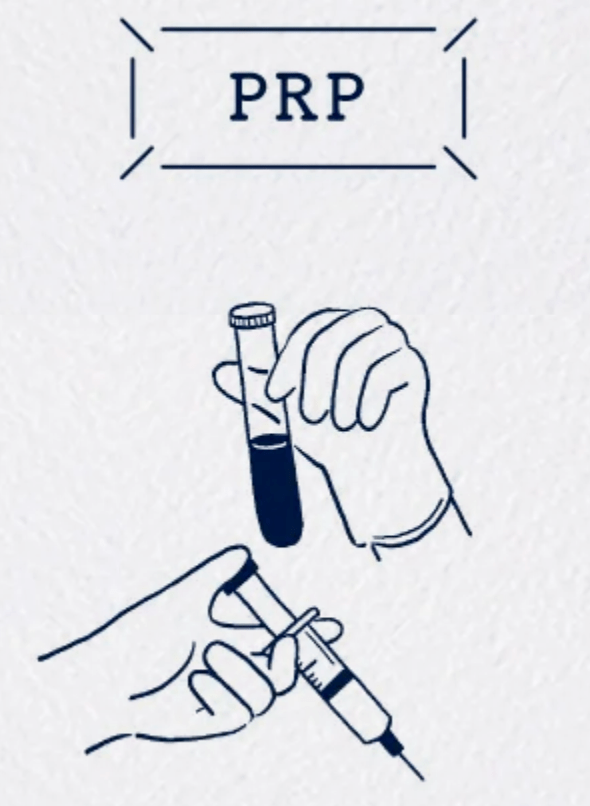
Urinary Incontinence (Urine Leakage) Treatment with Regenerative Medicine: PRP (Platelet-Rich Plasma)
After a radical prostatectomy, treatment options for urine leakage have gradually increased. One such option is the use of PRP (Platelet-Rich Plasma).
 日本橋骨盤底診療所