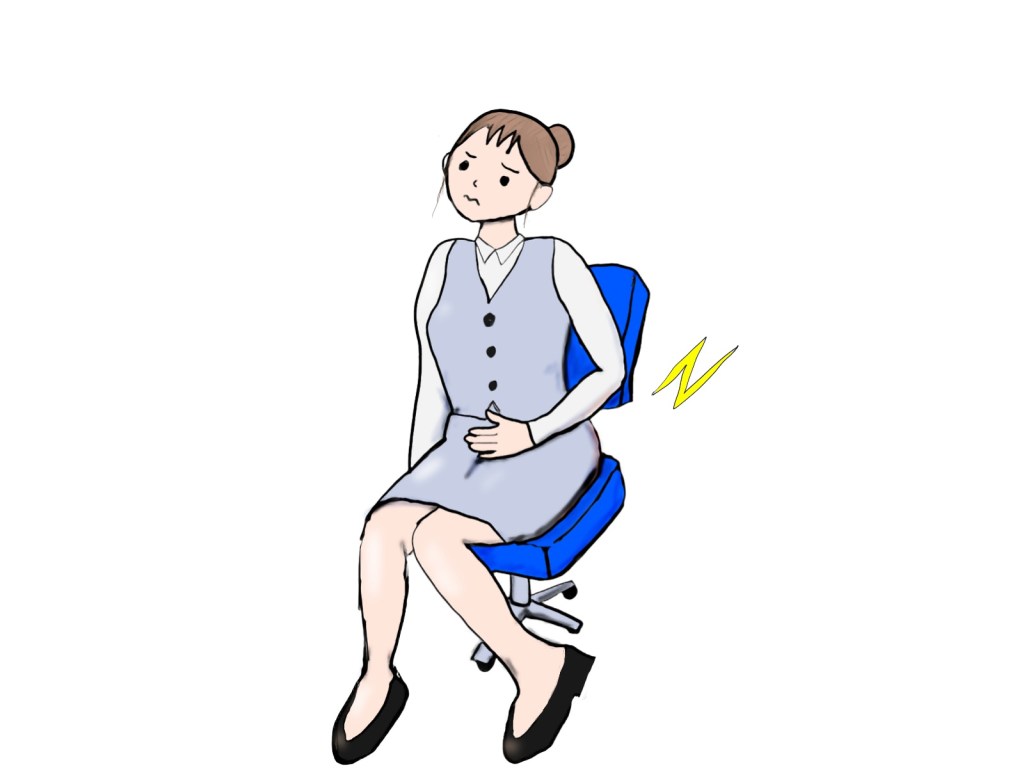
In our previous post, we discussed how lower abdominal pain isn’t always caused by organ issues—it could be related to pelvic floor muscles, nerves, joints, or bones.
But how can you tell what’s actually causing your pain?
This time, let’s go through some self-check points to help you identify possible causes based on your symptoms.
1. Identify Your Pain Pattern
① Does your pain change with body position?
🔹 Pain while sitting → May be related to pelvic floor muscles or nerves
• Worsens with prolonged sitting but improves when standing
• Feels better when using a cushion or adjusting seat position
🔹 Pain while moving or walking → May be related to hip joints or sacroiliac joints
• Sharp pain when standing up
• Pain when putting weight on one leg
② Is your pain related to urination or bowel movements?
🔹 Pain after urination → Could be pelvic floor muscle tension or pudendal nerve irritation
• Discomfort continues after emptying the bladder
🔹 Pain after bowel movements → Could indicate pelvic floor dysfunction
• Worsens after defecation
🔹 Pain when pressing your abdomen → May be related to muscle tension or abdominal separation (diastasis recti)
• Tenderness or deep, dull pain when pressing certain areas
2. Identify the Type of Pain and Possible Causes
Type of Pain
Possible Cause
Key Features
Tingling, burning pain
Pudendal neuralgia
Feels worse when clothing touches the area
Heavy, dull ache
Pelvic floor muscle tension
Worsens with prolonged sitting, improves with relaxation
Pain that changes with body movement
Sacroiliac or hip joint dysfunction
Worse when standing up or walking
Pain linked to urination or bowel movements
Pelvic floor muscle dysfunction
Discomfort continues after using the restroom
3. Simple Self-Care to Relieve Pain
① Stretching to Relax Pelvic Floor Muscles
✅ Deep Breathing Exercise
• Inhale deeply, allowing your belly to expand, then exhale slowly.
✅ Pelvic Mobility Exercise
• Lie on your back, bend your knees, and gently sway them side to side.
② Adjusting Sitting Posture to Reduce Nerve Pressure
✅ Use a cushion or donut seat to relieve pressure.
✅ Avoid prolonged sitting—stand up and stretch regularly.
③ Stretching for Sacroiliac and Hip Joints
✅ Hip Flexibility Stretch
• Cross one foot over the opposite knee and lean forward gently.
✅ Pelvic Stretch
• Lie on your back and hug your knees to release tension in the lower back and pelvis.
Find the Right Approach by Identifying the “Enemy”
It’s natural to assume abdominal pain means an internal organ issue, but if the root cause lies in the muscles, nerves, or joints, medical tests may not reveal any problems, leading to unnecessary anxiety.
✔ Does your pain change with posture or movement?
✔ Is it related to urination or bowel movements?
✔ How does it feel—tingling, heavy, or sharp?
By understanding your symptoms, you might discover valuable clues about the actual cause of your pain.
Next Time: Effective Treatments and Rehabilitation Approaches!
Stay tuned as we explore practical solutions and treatment strategies to help you manage and relieve your pain effectively!
 日本橋骨盤底診療所