When the bladder is surgically removed due to cancer, a ileal conduit is often created as a new route for urine to leave the body.
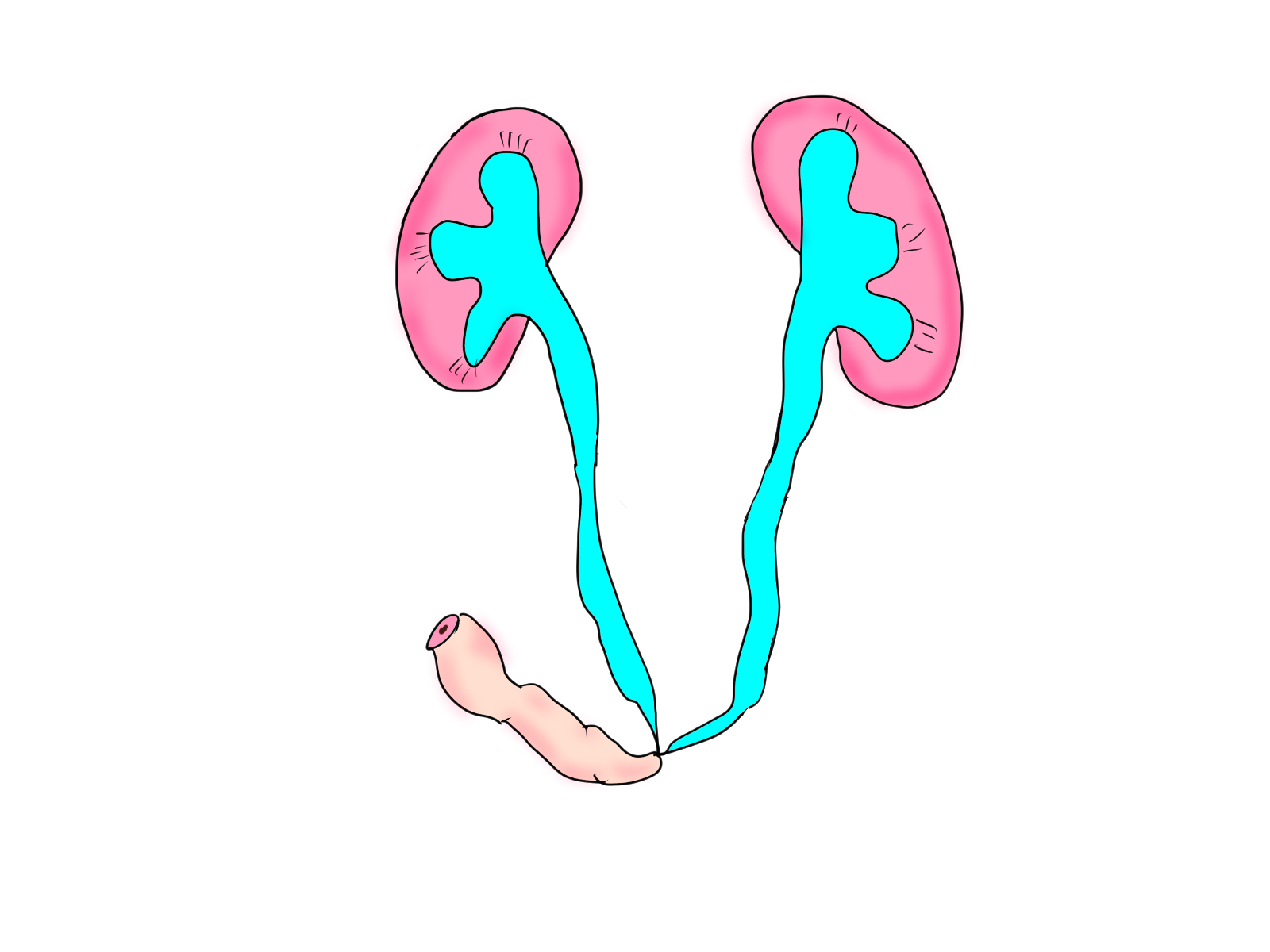
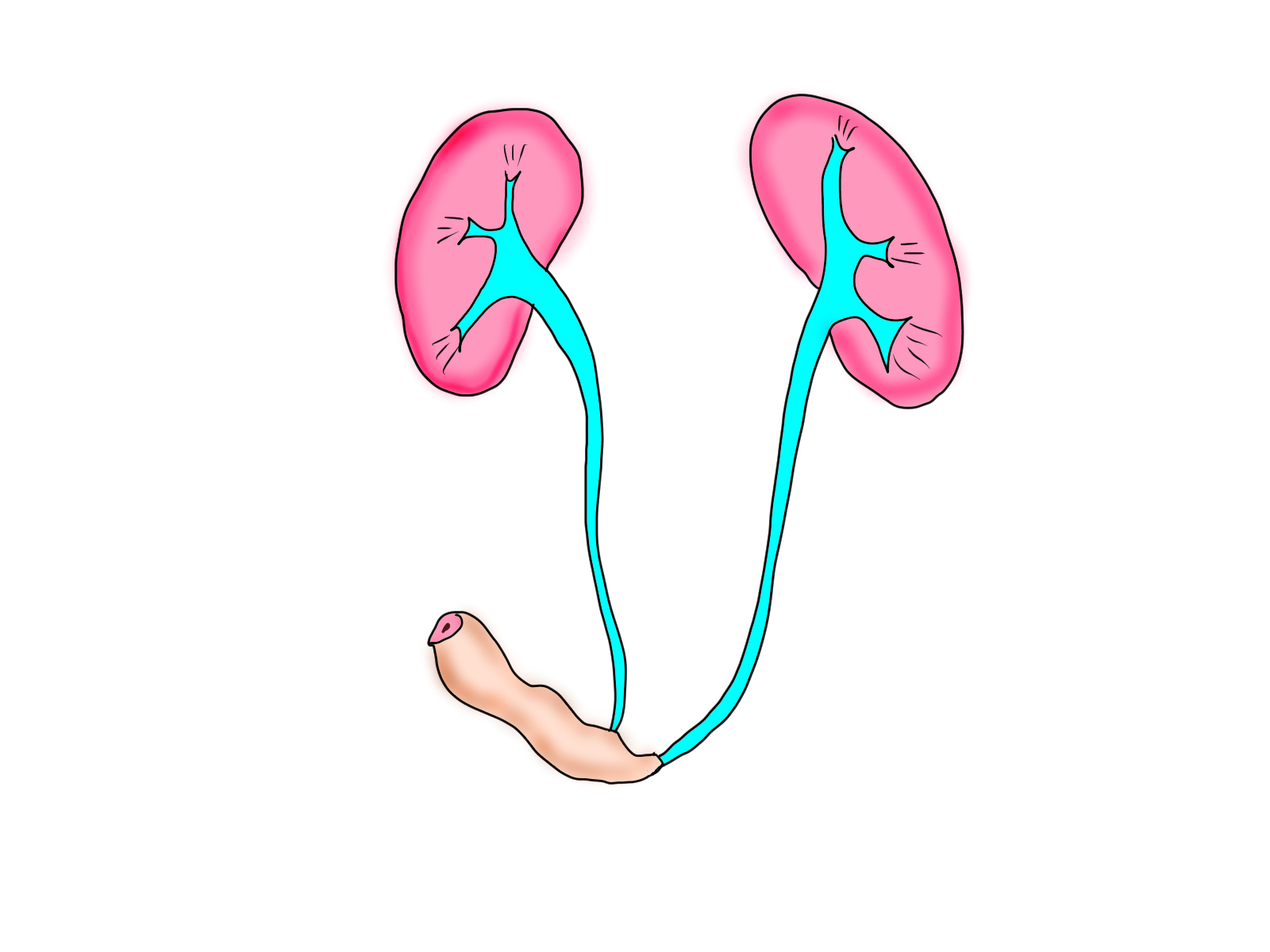
This conduit connects the ureters (which carry urine from the kidneys) to a segment of intestine that exits through the abdomen.
However, the connection between the ureters and the conduit can sometimes become narrowed or blocked, a condition known as anastomotic stricture.
This can lead to poor urine flow, hydronephrosis (swelling of the kidneys), and frequent urinary tract infections.
▽ This Patient’s condition
A patient who had previously undergone robot-assisted radical cystectomy and ileal conduit urinary diversion was experiencing persistent narrowing at the ureter-conduit connection.
To manage this, regular stent exchanges were necessary—but even with the stents in place, recurrent infections occurred, significantly reducing the patient’s quality of life.
We therefore decided to perform laparoscopic ureteral reimplantation, reconnecting the ureter to the conduit through minimally invasive surgery.
Despite some adhesions, we were able to carefully dissect and remove the damaged section of the ureter, and perform a clean re-anastomosis to the ileal conduit.
▽ The Outcome
Postoperative recovery was smooth.
One month after removing the stent, the patient showed no signs of hydronephrosis, and no infections have occurred.
The patient happily shared, “I finally feel free.”
▽ Stricture Is Not Rare
Anastomotic stricture after ileal conduit surgery is not uncommon.
While long-term stenting is one option, it can lead to chronic infection, discomfort, and psychological burden.
As seen in this case, reconstructive surgery can eliminate the need for permanent stents, allowing patients to regain freedom and peace of mind.
▽ Don’t Give Up Too Soon
If you or someone you know is struggling with:
- Recurrent urinary tract infections
- Frequent stent blockages
- Worsening hydronephrosis
There may be another solution through reconstructive surgery.
Please don’t hesitate to consult us if you are facing these challenges.
A better quality of life may still be within reach.
 日本橋骨盤底診療所