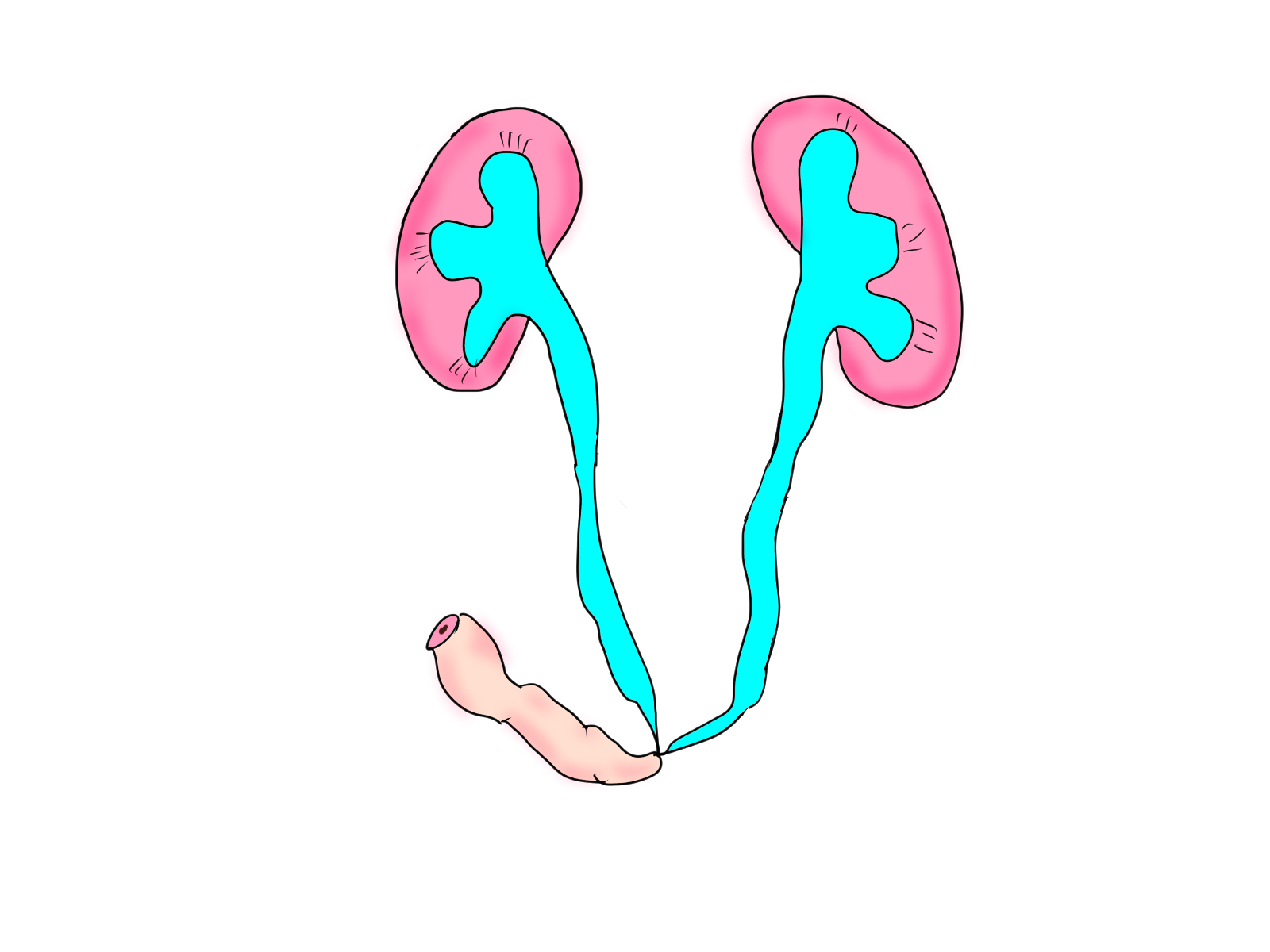
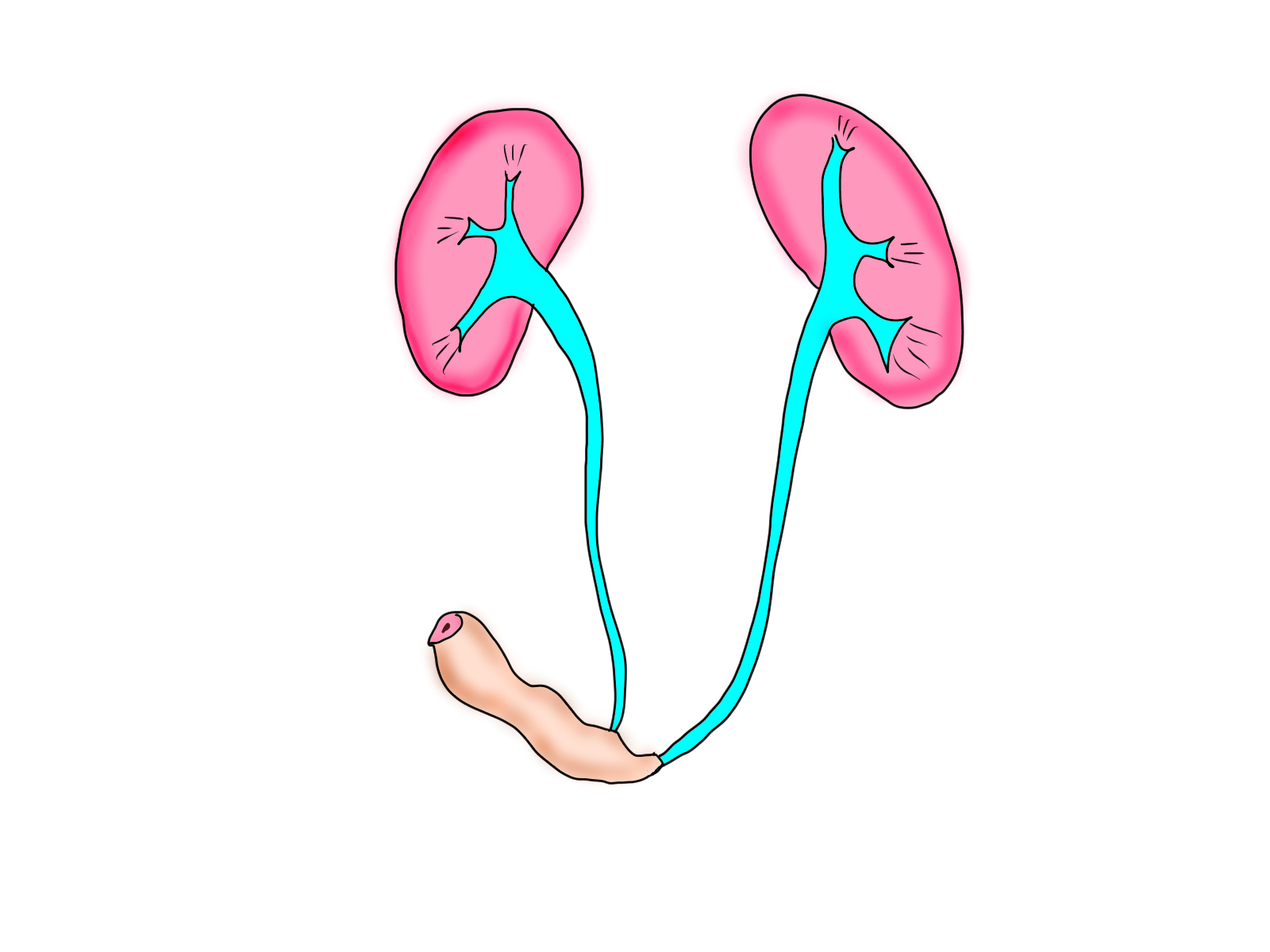
When the bladder is surgically removed due to cancer, a ileal conduit is often created as a new route for urine to leave the body. This conduit connects the ureters (which carry urine from the kidneys) to a segment of intestine that exits through the abdomen.
However, the connection between the ureters and the conduit can sometimes become narrowed or blocked, a condition known as anastomotic stricture. This can lead to poor urine flow, hydronephrosis (swelling of the kidneys), and frequent urinary tract infections.
▽ This Patient’s condition
A patient who had previously undergone robot-assisted radical cystectomy and ileal conduit urinary diversion was experiencing persistent narrowing at the ureter-conduit connection. To manage this, regular stent exchanges were necessary—but even with the stents in place, recurrent infections occurred, significantly reducing the patient’s quality of life.
We therefore decided to perform laparoscopic ureteral reimplantation, reconnecting the ureter to the conduit through minimally invasive surgery.
Despite some adhesions, we were able to carefully dissect and remove the damaged section of the ureter, and perform a clean re-anastomosis to the ileal conduit.
▽ The Outcome
Postoperative recovery was smooth. One month after removing the stent, the patient showed no signs of hydronephrosis, and no infections have occurred.
The patient happily shared, “I finally feel free.”
▽ Stricture Is Not Rare
Anastomotic stricture after ileal conduit surgery is not uncommon. While long-term stenting is one option, it can lead to chronic infection, discomfort, and psychological burden.
As seen in this case, reconstructive surgery can eliminate the need for permanent stents, allowing patients to regain freedom and peace of mind.
▽ Don’t Give Up Too Soon
If you or someone you know is struggling with:
Recurrent urinary tract infections
Frequent stent blockages
Worsening hydronephrosis
There may be another solution through reconstructive surgery.
Please don’t hesitate to consult us if you are facing these challenges. A better quality of life may still be within reach.
Today, I performed two surgeries at Kameda Medical Center during a 2-night, 3-day hospital stay:
A laparoscopic sacrocolpopexy (LSC) for pelvic organ prolapse and Urethral reconstruction for a patient with a urethral stricture following penile cancer surgery
Both patients traveled from Tokyo to receive care here.
🏥 Why Travel Far for Surgery?
One might ask, “Why come all the way here?”
But patients often tell us:
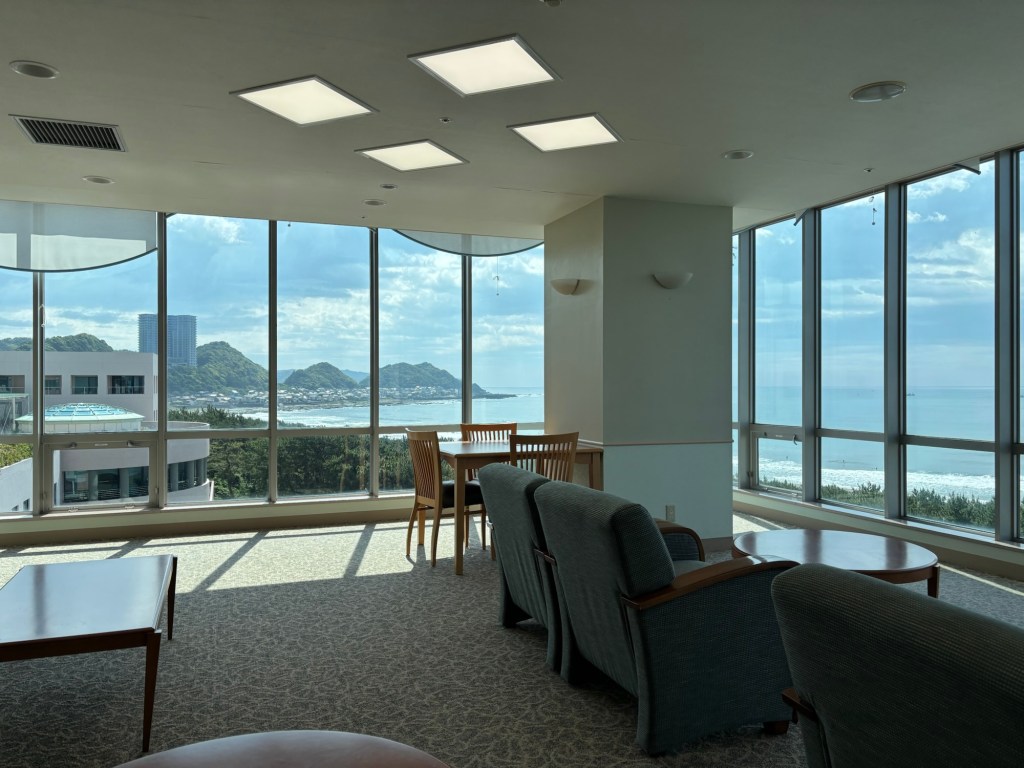
“The rooms are spacious and quiet. I feel at ease.”
“The admission process is smooth and reassuring.”
“It’s more relaxing than hospitals in the city.”
These comments reflect a key strength of Kameda Medical Center — the perfect balance of high-quality medical care and warm hospitality.
As the first hospital in Japan accredited by the Joint Commission International (JCI) and listed in Newsweek’s “World’s Best Hospitals,” Kameda has been internationally recognized for its excellence in healthcare.
🌿 Medicine in a Remote Area, with a Unique Atmosphere
While Kameda is located in what some might call a “remote” region — about 2.5 hours from Tokyo by public transportation — it offers something cities cannot: a calming natural environment and a sense of peace.
Time and again, I’ve seen nervous patients relax when they see the ocean view from their hospital room, or enjoy a nourishing meal at our in-hospital restaurant. These are small but powerful sources of healing.
👩⚕️ Working with Exceptional Staff
If I may be candid — I’m constantly amazed by the exceptional caliber of our medical staff.
In large cities, reputation and convenience can help attract talent. But here, in a quiet coastal town, it is passion, dedication, and teamwork that bring professionals together.
Having visited and taught surgeries at hospitals across Japan, I can confidently say that the level of care and collaboration at Kameda is second to none.
💡 A Model for Regional Healthcare?
Many regional hospitals in Japan face serious challenges.
But Kameda is living proof that with the right combination of medical quality, thoughtful service, and local resources, even rural institutions can provide care that meets — and exceeds — global standards.
🚃 Healthcare Worth Traveling For
Distance should never be a barrier to excellent care.
If you or a loved one is seeking truly patient-centered, internationally recognized medical treatment, don’t overlook hospitals outside the city.
Sometimes, the best care is found in places where the air is cleaner, the people are warmer, and the focus is solely on your recovery.
At Kameda Medical Center, the third Saturday of every month is our dedicated “Urology Surgery Day.”
As expected, the operating rooms were in full swing from early morning.
✅ Total Surgeries: 10 Cases in One Day
Robot-assisted radical prostatectomy (RARP): 2 cases Transurethral resection of bladder tumor (TURBT): 2 cases Laparoscopic sacrocolpopexy (LSC): 2 cases Circumcision: 2 cases Flexible ureteroscopic stone removal (fTUL): 1 case Urethral caruncle excision: 1 case
🏥 Why Saturdays?
There are many reasons why patients prefer surgery on Saturdays:
Busy with work during the week Traveling from Tokyo or other distant areas Easier to coordinate pre-op and post-op care Prefer day surgery or short hospital stays
Our weekend surgery program aligns well with the needs of patients balancing work and family life.
🔧 OR “Reserved” for Urology
On this day, the OR was almost fully booked with urology procedures — essentially a “private session” for the urology team.
From morning until evening, surgeries proceeded non-stop, smoothly and safely.
This would not be possible without the incredible support from our anesthesia team, nurses, and clinical engineers. Their coordination and expertise deserve the highest praise.
👨⚕️ A Great Opportunity to Train Young Urologists
These intensive surgery days also provide valuable time to operate alongside younger doctors.
We take the time to teach and refine each surgical step, ensuring that our residents steadily improve their skills.
Watching their growth and confidence build is one of the most rewarding aspects of this work.
✨ Closing Thoughts
While 10 surgeries in a single day may sound overwhelming, with a skilled and well-organized team, it becomes a productive and fulfilling experience — both for patients and medical staff.
Weekend surgeries like this represent a modern and flexible approach to healthcare.
We will continue to provide safe, high-quality surgical care while nurturing the next generation of urologists.





 日本橋骨盤底診療所