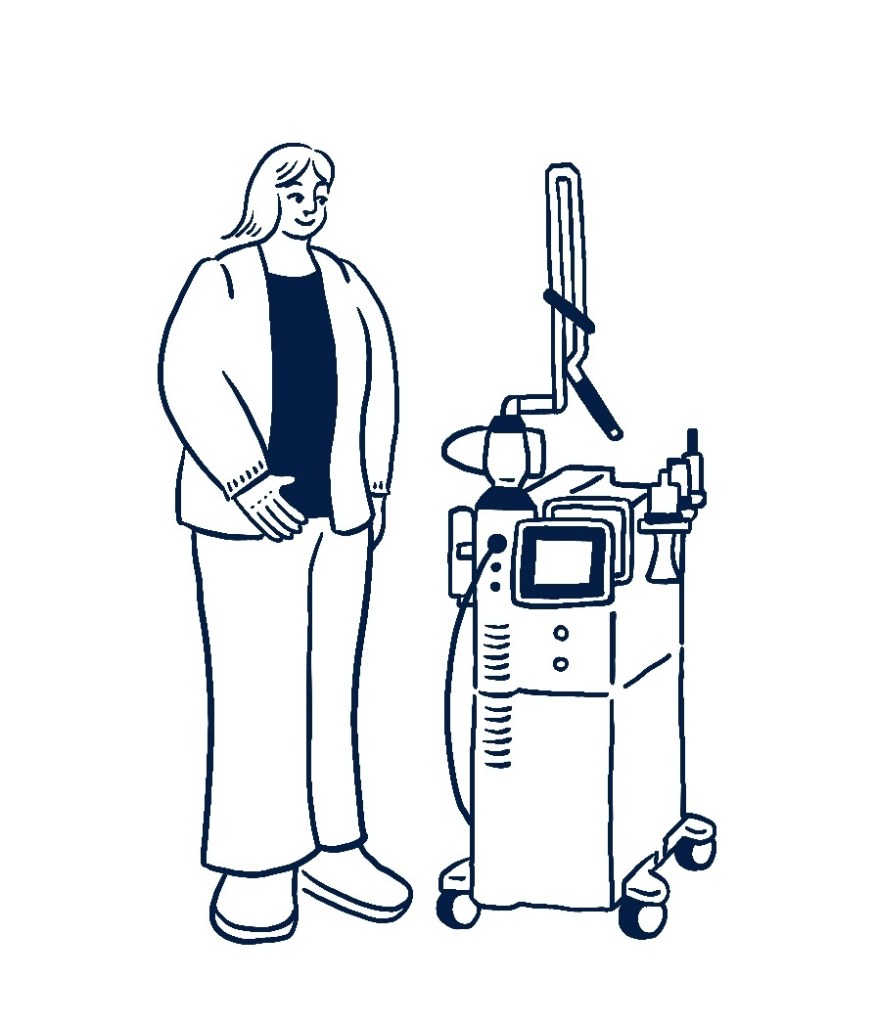
A patient in her late 40s with stress urinary incontinence and urge urinary incontinence visited for an evaluation after undergoing pelvic floor muscle rehabilitation and receiving a second round of PRP and Intima laser treatment.
Her condition has significantly improved, reaching the point where she described it as being “almost there.”
This highlights the importance of combining various treatment methods for optimal results. While this approach may not appeal to those seeking a “quick fix” through surgery, it is particularly suited to patients who are hesitant about artificial materials such as meshes.
I firmly believe in continuing to support treatments that maximize the body’s natural healing capabilities.
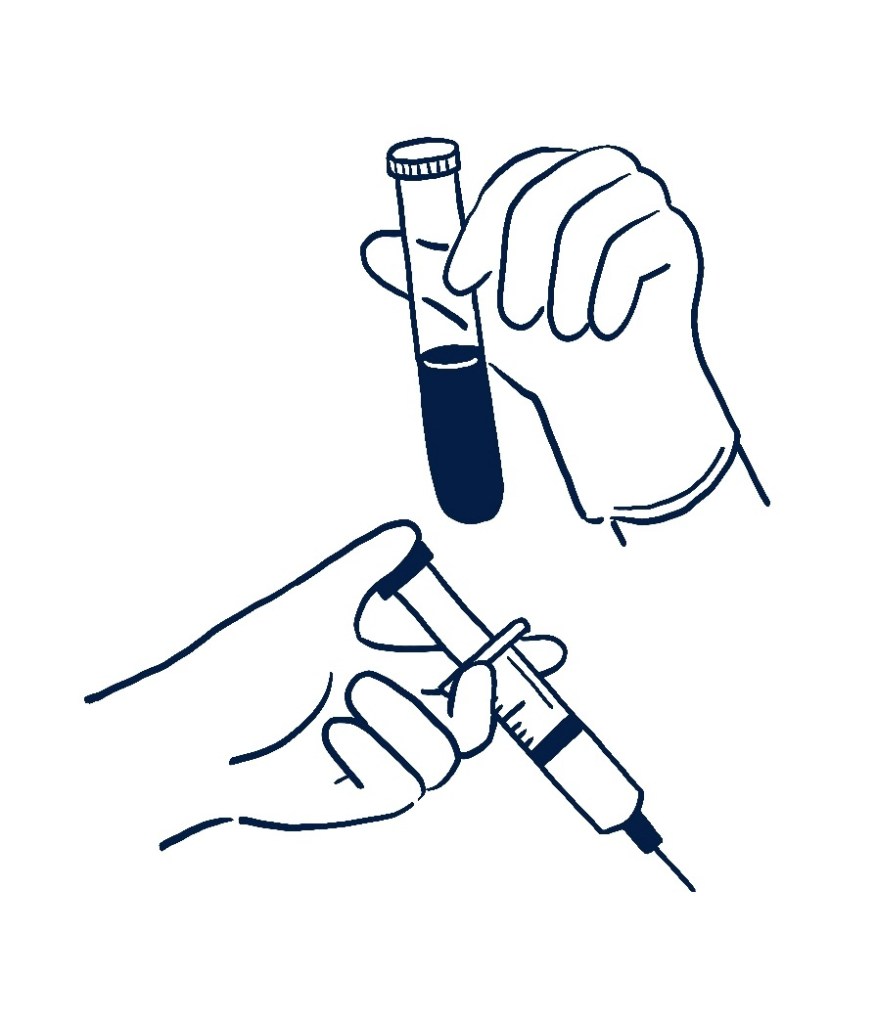
PRP (platelet-rich plasma) utilizes the patient’s own blood, containing:
1. Growth factors and healing-promoting cytokines
2. Nutrients for cellular repair
3. Fibrin, which serves as a scaffold for cells
This combination enhances the body’s natural ability to heal age-related or damaged tissues.
Intima laser treatment, on the other hand, induces growth factors and cytokines at the site of laser application while also promoting the production of collagen, a protective factor.
Our approach seeks to harness the synergistic effects of these treatments. By applying controlled stress through laser therapy, PRP’s healing power is amplified.
Interestingly, PRP combined with Intima laser therapy has shown efficacy in hair restoration treatments, which suggests it could be highly effective for urinary incontinence treatment as well.

 日本橋骨盤底診療所